The Benefits of Online Art Classes: How We Discovered a Better Way to Teach Art
By Olya Losina
Sep 21st 2023
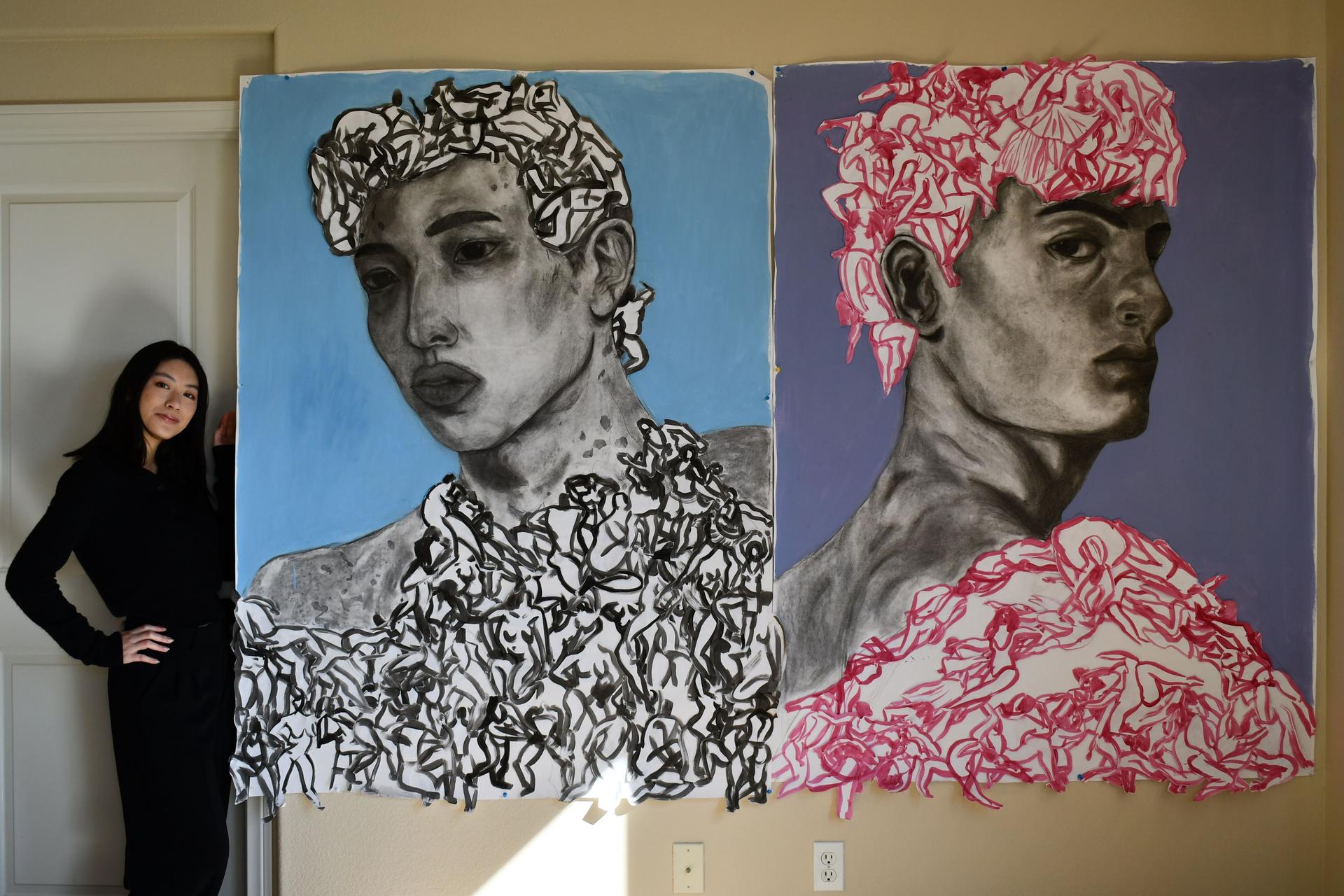
It’s no secret that the world of education has changed dramatically in recent years. When we first learned we would have to close our studio doors and move our art classes online, we assumed it would be temporary. Like many educators, we were uncertain about how well the online format would work, particularly for an art school built around hands-on instruction.
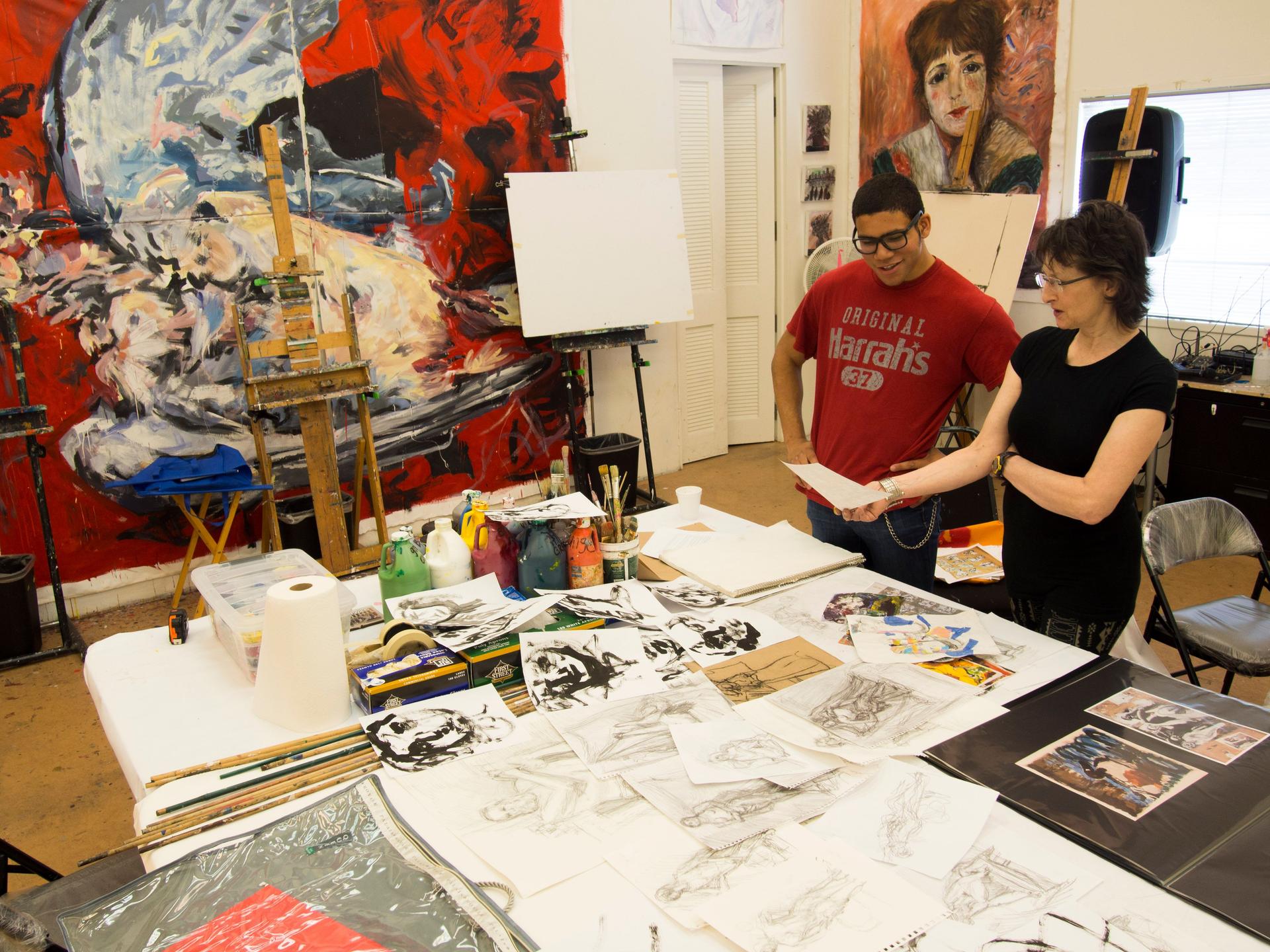
For more than 30 years, we had taught art the traditional way, with students gathering in our studio every day. Online art education was something we had occasionally imagined exploring, but because our in-person classes worked so well, we had never seriously pursued it.
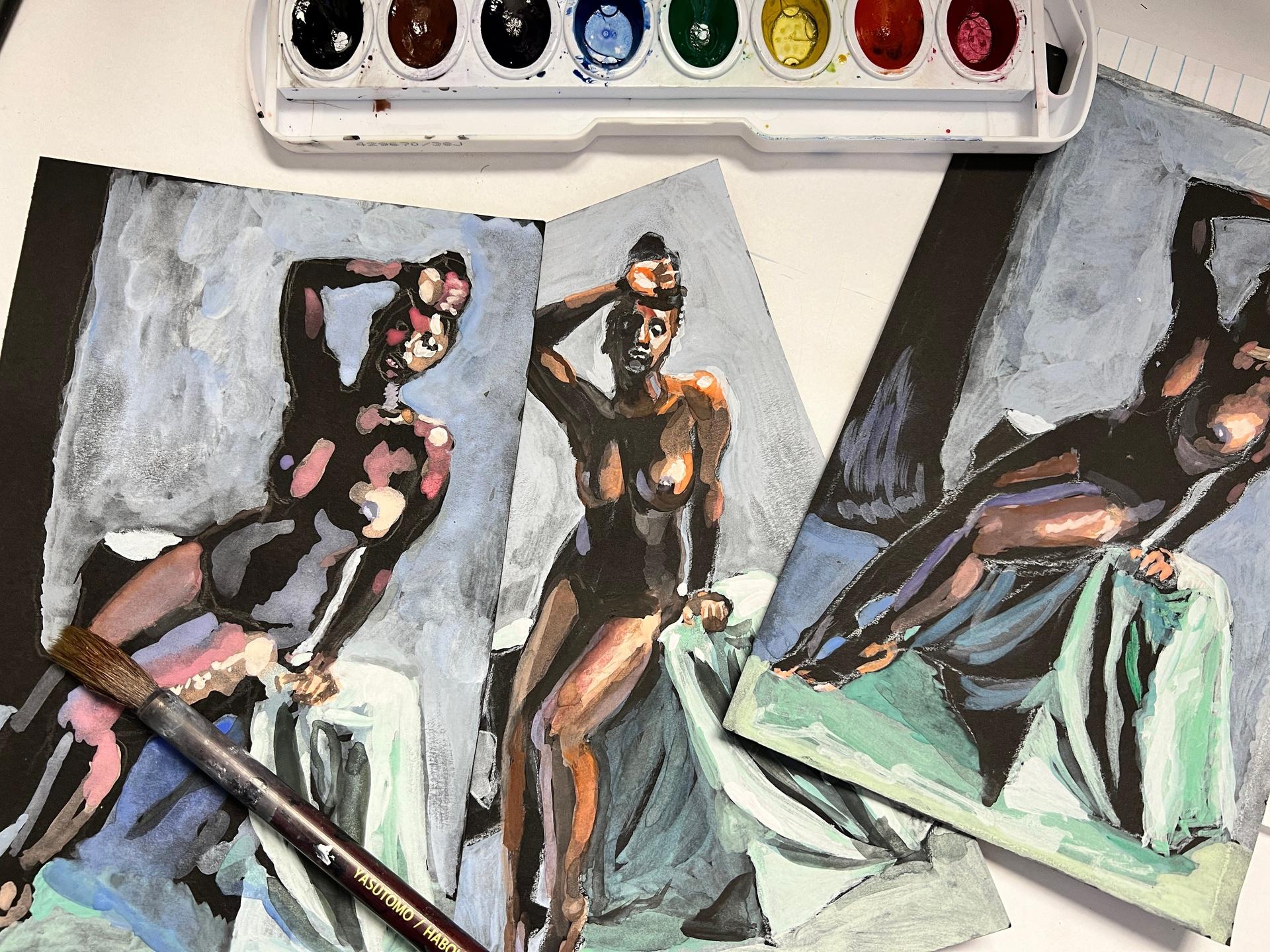
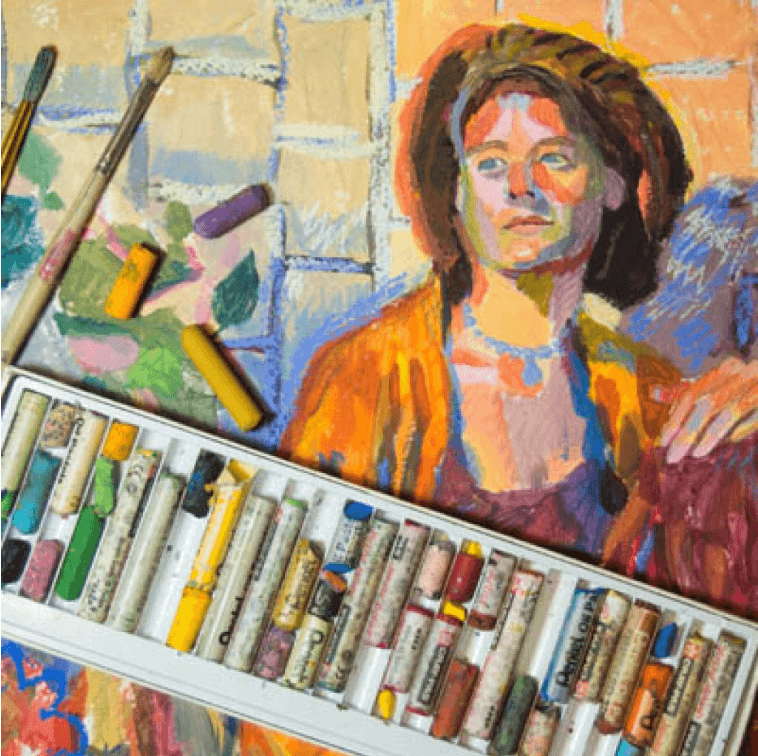
Then the pandemic changed everything. Almost overnight, we found ourselves teaching entirely online. What began as an unexpected necessity turned into a discovery: online art education offered advantages we hadn't anticipated. And it wasn't just our instructors who embraced the change. Our students loved the virtual format so much that they asked us to continue offering live online classes, even if we eventually reopened our physical studio.
Here are some of the things we discovered along the way.
Art Without Borders
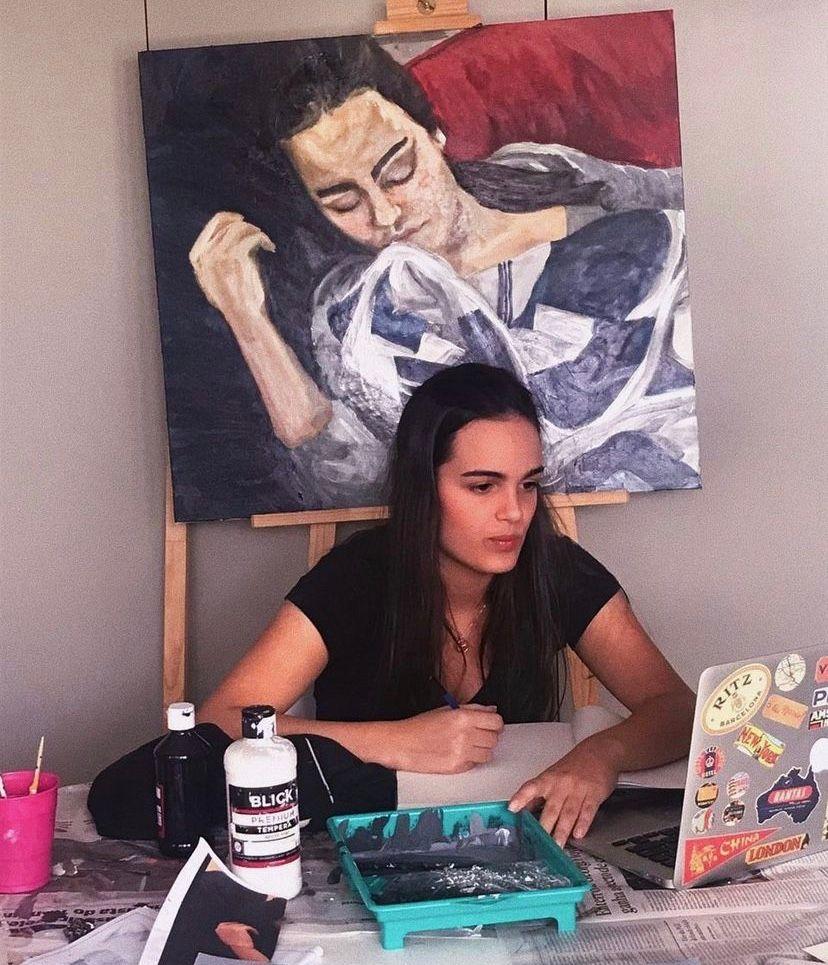
When we offered in-person art programs, we occasionally had students travel from other cities and countries to attend our art school in San Diego. Since moving online, however, our community has grown into an international one, with students regularly joining us from across the United States and around the world.
Artists who had moved away and stopped attending classes were suddenly able to reconnect with us and renew their memberships. Local students who previously avoided evening classes because of afternoon traffic or the prospect of driving at night could now enjoy a relaxed painting session from the comfort of home.
Students from the UK, Brazil, Egypt, Costa Rica, Canada, and Mexico discovered they could access high-quality American art instruction without the expense and logistics of international travel. For families of high school students preparing to apply to U.S. colleges, online classes also eliminated the considerable costs associated with travel agencies, airfare, luggage, car rentals, meals, and accommodations.
The result has been a more diverse student body and a richer cultural experience for everyone. There's something exciting about participating in a class alongside artists who are joining from Brazil, England, or Russia. Even our instructors have benefited from the flexibility of remote teaching, allowing them to teach from other states and countries.
As we experimented with the online format, we offered free classes to better understand what worked and what needed improvement. We continuously adapted our curriculum and teaching methods based on what we learned.
One of the first experiences that demonstrated the potential of online instruction was the success of a Portfolio student from Brazil who joined us as a complete beginner. She was eventually accepted to the University of the Arts London, one of the world's leading art and design universities. We were ecstatic.
Around the same time, our Portfolio students began receiving significantly higher scholarship awards from top U.S. art schools than we had seen previously. These experiences reinforced what we were beginning to understand: when taught live and in real time, online art classes can be just as effective as in-person instruction, and in some ways, even more effective.
Greater Art Community
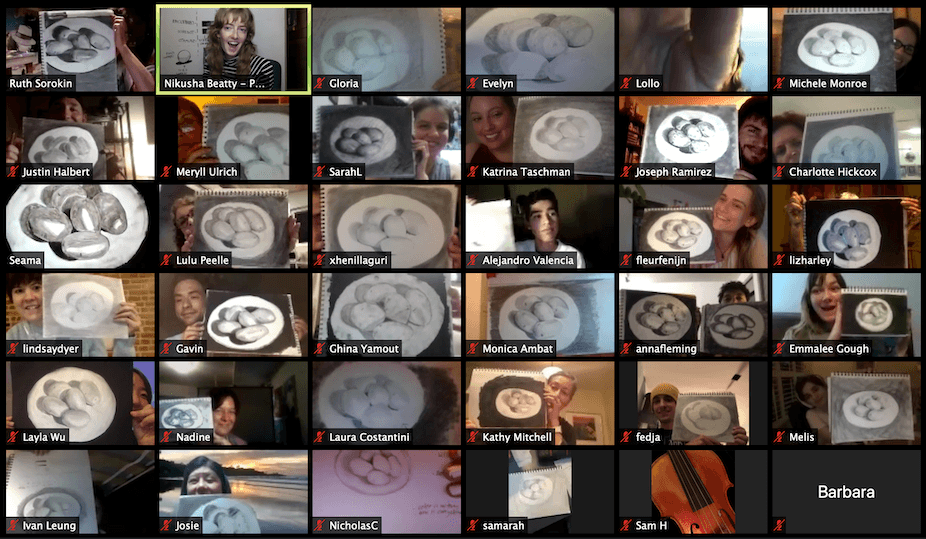
Our online classes have not only expanded our reach geographically; they've also allowed us to bring more artists together.
Previously, our in-studio classes were limited to approximately 20 students. Online, we can accommodate 50 or more students without compromising the quality of instruction students receive.
Without the need to commute, students also have more time to devote to their artistic development. Many now attend four to six classes per week, compared with four to six classes per month when they were attending in person. That increase in consistency gives students more opportunities to practice, experiment, and develop their skills.
There are practical benefits, too. Students no longer have to transport their art supplies to the studio, set up their workstations, and pack everything away at the end of each class. Instead, they can leave their materials and projects in place and continue working after class.
This uninterrupted creative process encourages students to develop greater independence in their art-making, something we consider essential to a well-rounded art education.
Better Results
When we first transitioned to online teaching, many of our students told us they preferred in-person classes. We understood their reservations because we initially shared them. What surprised us, however, was how quickly every one of our online classes found its footing.
Over time, we began noticing that certain aspects of our teaching were actually more effective online. Students seemed more focused, and their comprehension of demonstrations and techniques improved. Instructors could demonstrate each process clearly, allowing students to follow along step by step and work at their own pace.
Another significant advantage is that every class is recorded. Students can revisit demonstrations whenever they need to review a technique, reinforce something they've learned, or catch up on a class they missed. This ability to revisit instruction creates an additional layer of learning that isn't available in a traditional classroom.
We also discovered that moving online didn't mean sacrificing the elements that make art education meaningful. Students still participate in group discussions, receive individual feedback and personal attention from instructors, and build relationships with fellow artists. In many ways, our community has become closer than ever.
A Studio of Your Own
For many of our artists, the transition to online classes also inspired them to finally establish home studios of their own. Some had dreamed of having a dedicated creative space for years but never felt the need to set one up while they had access to Prima Materia's studio. Once they began working from home, they discovered just how convenient and productive having their own art space could be.
No more forgetting supplies, rushing to class, or packing everything away at the end of a session. Their materials, tools, and works in progress are always within reach, making it easier to take advantage of creative opportunities whenever inspiration strikes.
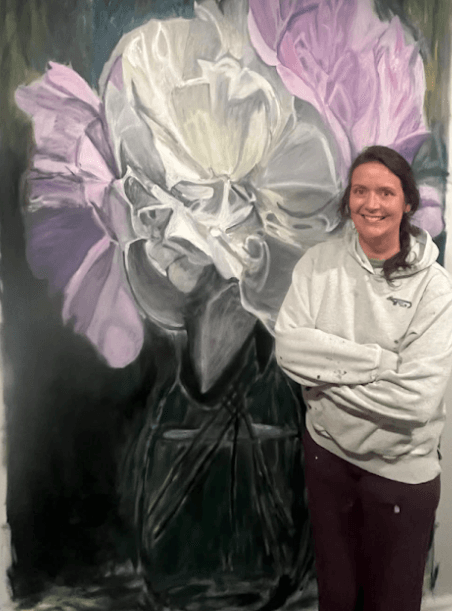
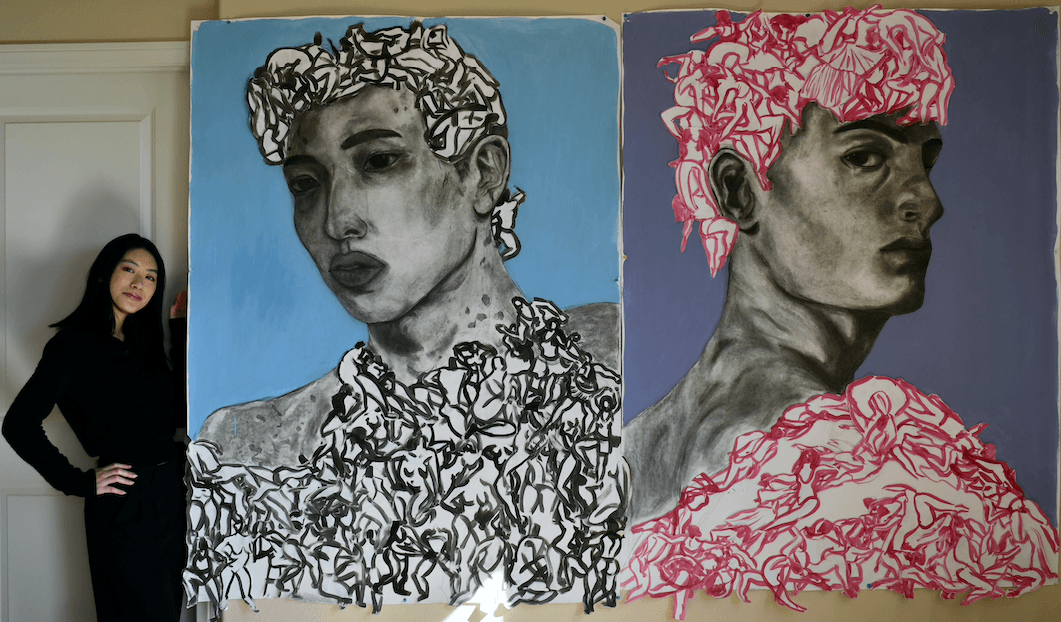
We had always encouraged our students to experiment with monumental-size canvases in the studio, but not everyone took us up on the challenge. During the pandemic, something unexpected happened: many students who had previously worked on a small scale began creating on the largest canvases and surfaces they had ever attempted, all from the comfort of their own homes.
Those who were initially skeptical of virtual classes have since become some of their biggest advocates, even calling themselves "true converts." Our students are happier, more engaged, and enthusiastic about continuing their online education.
Although we're exploring ways to incorporate in-person workshops into our curriculum, our primary focus remains on delivering outstanding art instruction online, accessible to students anywhere in the world.
You deserve the best art education, whether online or in person. Our goal is to provide it.